
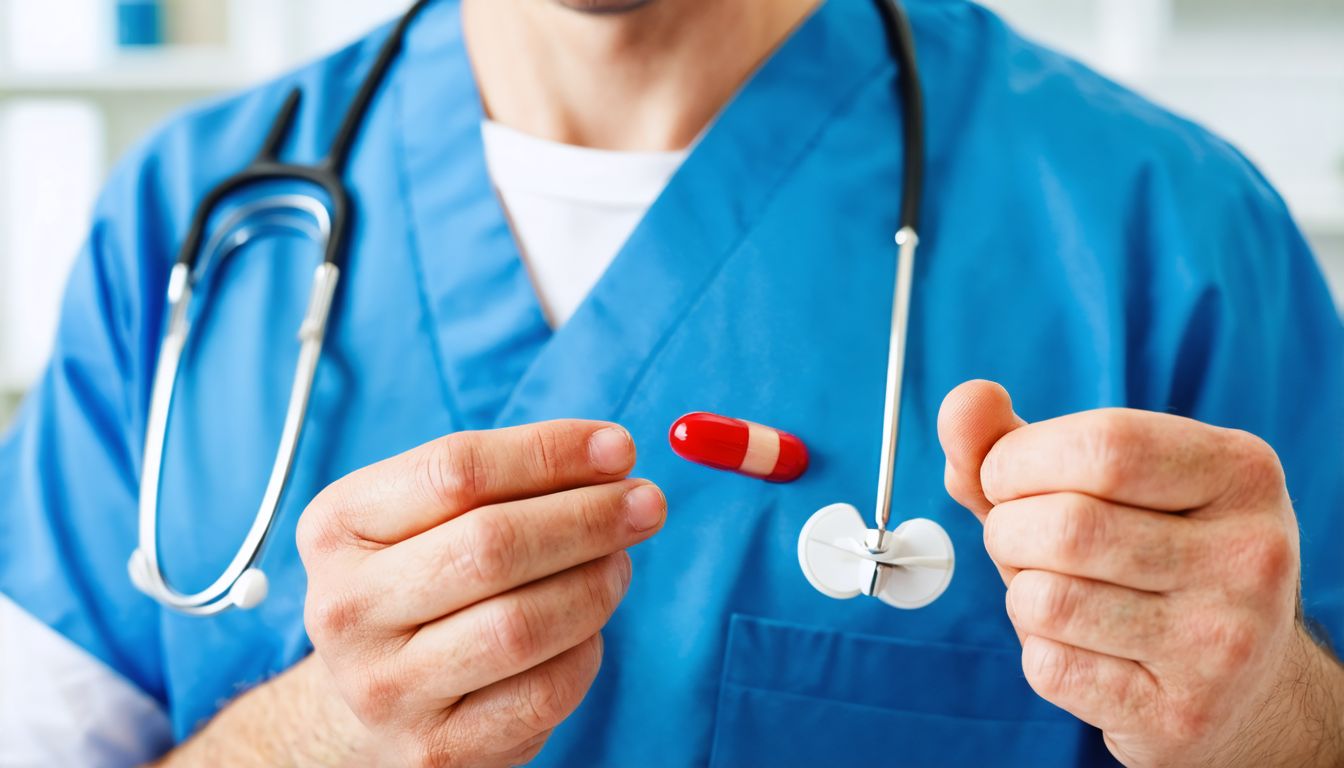
Erectile dysfunction treatment: evidence-based review (for educational purposes only)
Disclaimer: This article is for educational purposes and does not replace professional medical advice, diagnosis, or treatment. If you have symptoms of erectile dysfunction (ED) or concerns about sexual health, consult a qualified healthcare professional.
Quick summary
- Erectile dysfunction (ED) is common and often treatable; it can be linked to blood vessel health, nerve function, hormones, medications, or psychological factors.
- First-line treatments usually include lifestyle changes and oral medications called PDE5 inhibitors (e.g., sildenafil, tadalafil).
- Other evidence-based options include vacuum erection devices, penile injections, hormone therapy (in selected cases), counseling, and surgery.
- ED can be an early sign of cardiovascular disease; medical evaluation is important.
- Most men improve with a tailored, stepwise approach guided by a clinician.
What is known
1. Erectile dysfunction is common and multifactorial
ED is defined as the persistent inability to achieve or maintain an erection sufficient for satisfactory sexual activity. It becomes more common with age, but it is not an inevitable part of aging. Large population studies show that cardiovascular disease, diabetes, obesity, smoking, high blood pressure, depression, and certain medications are strongly associated with ED.
ED often has more than one cause. Blood vessel (vascular) problems are especially common. Because penile arteries are small, ED may appear before symptoms of heart disease, making it a potential early warning sign.
2. Lifestyle changes can improve erectile function
There is consistent evidence that improving overall cardiovascular health can improve erectile function. Interventions supported by research include:
- Regular aerobic physical activity.
- Weight loss in overweight or obese individuals.
- Smoking cessation.
- Limiting excessive alcohol intake.
- Optimizing blood pressure, cholesterol, and blood sugar.
These changes may not produce immediate results, but they can improve both erectile performance and long-term health.
3. Oral medications (PDE5 inhibitors) are effective for many men
Phosphodiesterase type 5 (PDE5) inhibitors—such as sildenafil, tadalafil, vardenafil, and avanafil—are considered first-line pharmacological treatment in many clinical guidelines. They work by enhancing blood flow to the penis in response to sexual stimulation.
Multiple randomized controlled trials show that these medications significantly improve erectile function compared with placebo for a broad range of causes, including diabetes and post-prostate surgery (though effectiveness may be lower in some groups).
They are generally safe when prescribed appropriately, but they must not be used with nitrate medications (often prescribed for chest pain), due to the risk of a dangerous drop in blood pressure.
4. Mechanical devices and injections are effective second-line options
Vacuum erection devices create negative pressure to draw blood into the penis and are supported by moderate-quality evidence. They can be useful when oral medications are ineffective or contraindicated.
Intracavernosal injections (such as alprostadil) directly relax penile blood vessels. Clinical trials and long-term observational data show high effectiveness rates, although some men discontinue due to discomfort or inconvenience.
5. Psychological factors matter
Performance anxiety, depression, relationship stress, and past sexual trauma can contribute to ED. In some men—especially younger individuals—psychological factors may be primary. Cognitive behavioral therapy (CBT), sex therapy, or couples counseling can significantly improve outcomes, either alone or combined with medical treatment.
6. Surgery is effective but usually reserved for specific cases
Penile prosthesis implantation is typically considered when less invasive treatments fail. Modern devices have high satisfaction rates in selected patients, but surgery carries the usual risks of infection and mechanical failure.
What is unclear / where evidence is limited
- Herbal and “natural” supplements: Many products marketed for ED lack high-quality clinical trial data. Some have been found to contain undeclared prescription drugs. Evidence for most supplements is low or inconsistent.
- Shockwave therapy (low-intensity extracorporeal shockwave therapy): Early studies suggest possible benefit in some men with vascular ED, but protocols vary and long-term effectiveness remains uncertain.
- Stem cell and platelet-rich plasma (PRP) therapies: Currently considered experimental. Evidence is limited, and major guidelines do not recommend routine use.
- Testosterone therapy in men without clear deficiency: Benefit is uncertain if blood testosterone levels are normal.
Because of these uncertainties, patients should be cautious about expensive treatments marketed without strong scientific backing.
Overview of approaches
Lifestyle and risk factor modification
Improving cardiovascular and metabolic health is foundational. This may include structured exercise programs, dietary adjustments (such as a Mediterranean-style diet), and medical management of chronic conditions.
Oral prescription medications
PDE5 inhibitors are widely recommended in international guidelines (e.g., American Urological Association, European Association of Urology). Choice of agent depends on factors such as duration of action, side effects, patient preference, cost, and other medical conditions.
For official prescribing details, see resources such as the U.S. Food and Drug Administration (FDA) or the European Medicines Agency (EMA) websites.
Hormone therapy
Testosterone replacement therapy may be considered in men with confirmed low testosterone levels and symptoms of hypogonadism. Diagnosis requires blood testing and medical evaluation. Hormone therapy is not appropriate for everyone and requires monitoring.
Devices and local therapies
- Vacuum erection devices.
- Penile constriction rings (used appropriately).
- Intracavernosal injections or intraurethral suppositories (under medical supervision).
Surgical treatment
Penile implants are an established option for men who do not respond to other treatments. They require specialist evaluation.
Psychological and relationship support
Sex therapy or counseling can address anxiety, communication issues, or mood disorders. Combining therapy with medical treatment often improves overall satisfaction.
Evidence table
| Statement | Confidence level | Why |
|---|---|---|
| PDE5 inhibitors improve erectile function in many men. | High | Supported by multiple randomized controlled trials and guideline recommendations. |
| Lifestyle changes can improve ED. | Medium to high | Supported by clinical trials and strong association between cardiovascular health and erectile function. |
| Shockwave therapy is effective long term. | Low to medium | Small studies with varying protocols; insufficient long-term data. |
| Herbal supplements reliably treat ED. | Low | Lack of high-quality trials; product quality concerns. |
| Penile implants have high satisfaction rates. | High | Consistent findings from long-term observational studies and registry data. |
Practical recommendations
General safe measures
- Engage in regular moderate-intensity exercise.
- Maintain a healthy body weight.
- Stop smoking and reduce excessive alcohol intake.
- Manage stress and sleep adequately.
- Have regular check-ups to monitor blood pressure, cholesterol, and blood sugar.
When to see a doctor
- If ED persists for more than a few weeks.
- If you have chest pain, shortness of breath, or known heart disease.
- If ED appears suddenly or is accompanied by other symptoms (e.g., low libido, fatigue).
- If you are considering prescription medication or devices.
How to prepare for a consultation
- List current medications and supplements.
- Note when symptoms began and whether they are situational or consistent.
- Be prepared to discuss lifestyle factors and medical history.
- Write down questions about risks, benefits, and alternatives.
For broader context on men’s health, see our men’s sexual health guide. If you are exploring related concerns, you may also find our overview of cardiovascular risk factors helpful. For general wellness strategies, visit our preventive health section. Additional educational materials are available in our Sin categoría archive.
Sources
- American Urological Association (AUA). Guideline on the Management of Erectile Dysfunction.
- European Association of Urology (EAU). Guidelines on Sexual and Reproductive Health.
- National Institute of Diabetes and Digestive and Kidney Diseases (NIDDK). Erectile Dysfunction.
- U.S. Food and Drug Administration (FDA). Drug Safety Communications for PDE5 inhibitors.
- Mayo Clinic. Erectile dysfunction: Diagnosis and treatment overview.
Comentarios recientes